









AND GO FROM THIS...
TO THIS?


AND FROM THIS...
TO THIS.


Listen to the conversations
in the highlighted videos below.
That's all you need, to learn how to add to revenue,
while saving on expenses.
Check out your new call answering, receptionists and answering service:
Working for you all day every day 24/7, 365 days, for a fraction of the cost .
As Knowledgeable as you, Efficient, always on point, Booking appointments and always closing.
DO YOU WANT YOUR INCOMING CALLS TO
AUTOMATICALLY GET ANSWERED, QUALIFIED,
AND BOOKED INTO YOUR CALENDAR?
DIPLOMATICALLY WELL HANDLED CALLS
Your New Receptionist Knows the ABCs Better than You Do.
Answer, Book, Close, Deposit, and Enjoy!
Enable your assistant to do the first three,
and you can do thee last two.
Live Answer Service:
THE Problems and THE Solution
Go From Chasing Missed Calls and Missed Revenue:
We recently helped a business owner who was paying $27 an hour for his phone to be answered. It cost him nearly $84,000 a year when he took into account the cost benefits, insurance cost and vacation pay.
He was frustrated because his live helper was playing candy crush on the phone nearly all day. He will save $60,000 this year alone, During his career that amounts to nearly 2 million,
The live office helper also was unable to answer questions. There were still missed calls when the helper was on the phone and couldn't answer a second incoming call at the same time. Your traditional answering service also is often unable to be answering all relevant questions, booking appointment and even closing the sale.
NO MISSED CALLS
NMISSED REVENUE
MORE TAKE HOME PAY, with less $$$$ spent on unhelpful services.

WATCH YOUR NEW RECEPTIONIST HANDLING CALLS IN A PROFESSIONAL OFFICE.
LISTEN TO THE CONVERSATION BELOW.
MEDICAL OFFICE, DENTAL OFFICE, MED SPAS, LEGAL SERVICES

SEE HOW YOUR NEW OFFICE ASSISTANT CAN QUALIFY CLIENTS/PATIENTS, ALLAY THEIR FEARS, ANXIETIES AND FILL UP YOUR SCHEDULE.
LISTEN TO THE CONVERSATION BELOW.
with ai technology
To An Auto Booked Schedule
Satisfy and please your clients by answering within 1 manure.
Get better reviews for prompt responsiveness.
Make it easy for them to book without wasting their time on hold or a busy tone.
Most first time callers don't leave a voicemail. They simply go to the next business they can find and you are off their list.
IMPOVE CLIENT/PATIENT SATISFACTION
IMPROVE YOUR ONLINE REVIEWS AND RATINGS
EASY BOOKING, EASY INCOME
RETAILERS AND WHOLESALERS

FOR RETAILERS AND WHOLESALERSS
You Can Just Sit Down and Count Your Money!
Looking through catalogues and answering questions can be very time consuming, and take up all your time.
You can now have the time to sit down, and log into your bank balance instead, and see how much came in.
No need to train an employee. We do it all for you.
Just tell us your wishes.
ANSWERS THE PHONE, GIVES DETAILS OF MERCHANDISE
HELPS THEM BUY, SENDS THEM YOUR BUY LINK
HELPS PLACE THE ORDER, SO YOU CAN SIT DOWN, PUT YOUR FEET UP, AND ENJOY YOUR COFFEE.
SEE HOW YOUR NEW SALES PERSON
CAN SELL FOR YOU, ALL
WHILE YOU PROUDLY WATCH,
OR EVEN TAKE OFF ON A VACATION,
WITHOUT HAVING TO CLOSE THE STORE.
LISTEN TO THE CONVERSATION BELOW.
HOME SERVICE PROFESSIONALS


SEE HOW AI CAN HELP YOU AS A HOME SERVICE PROFESSIONAL
Dream It Up Scottie!
Tell us what you wish you could see, and we'll see how we can make it happen it for you.
Why leave over $300,000 on the table as a roofer, if you can invest under $24000, to keep it.?
SERVHOME SERVICE PROFESSIONALS
CAN WATCH YOUR NEW RECEPTIONIST QUAILFY, DIRECT THE CONVERSATION, GET THE NECESSARY DETAILS AND BOOK THE APPOINTMENTS,
.
LISTEN TO THE CONVERSATION TO THE RIGHT.
You know you need it
You don't know how to have it.
Let us set it up for you for free, and once you see what it can do for you, then you can pay. Deal?
LET'S DO THE MATH
Want An Easy 30% Increase in Calls and Sales?
Most of our clients are seeing 3 times a much. But let's be conservative.
What would a 30% increase in booked appointment mean to you?
Increase Customer satisfaction
--Improve ratings
--Increase conversion from calls to clients
__Save on unnecessary answering service expenses using simple, low cost systems of automation.
How? By having calls answered within 1 minute, qualifying the calls and booking the appointments on your calendar.
Add after hours, weekends and Holiday inquiries and you have it made.

HOW MUCH WASTED INVESTMENT IS GOING DOWN THE DRAIN?
ANSWERING SERVICE OR RECEPTIONIST AT A LOW $18 AN HOUR IS 18X8X22X12 PER YEAR plus 50% for benefits, such as health, vacations, which makes it $57,000 a year. The reason why more and more businesses are using AI automated answering service. The live answer service is limited by time, breaks and absences and the limit of 2 ears and 2 hands.. Live answer service also is often unable to answer all relevant questions, book appointment or even close the sale.
AI RECEPTIONIST IA AVAILABLE FOR 3 SHIFTS,, WEEKENDS HOLIDAYS, WITHOUT time and a half pay. That makes it equal to what a business owner would spend $150,000. Many calls come in after hours when the caller has finished work or picking up the children from school, when your office are usually closed.
Calls from ads also come in after hours when they are browsing.
AND HOW MUCH IS MISSED REVENUE?
IF YOU MISS AS FEW AS 2 CALLS IN HALF A DAY, and remember, new callers do not leave a message.
That is 4 a day, 20 a week, 80 a month. How many of them called you wanting your service and would have become your clients?
let's see
WHAT IS ONE SALE/CLIENT/PATIENT WORTH?
WHAT IS ONE SALE/CLIENT/PATIENT WORTH?
How many more sales would you need to make an extra million a year?
This will show you how you are not capturing several millions that are rightfully yours.
WE CAN SET UP AN ANSWERING AGENT FOR YOU AT NO CHARGE, WHEN YOU TELL US WHAT YOU'D LIKE TO SEE.
YOU CAN PAY AFTER YOU ARE SURE YOU LIKE WHAT YOU SEE..
Large Call to Action Headline
YOU ARE ADVERTISING. SPENDING, AS YOU SHOULD.
THEY ARE RESPONDING BY CALLING...

But...
But you are too busy working, to answer the incoming calls.
This makes your advertising wasted ad spend.
It is time to let the business run well by itself.
Hire an AI Agent for 85% less, and get better service.
When you call we will set up an agent free, and you can pay after you see how it works. .
You Get

A Fulltime, Fully Responsive
Receptionist

Answering
All Your Incoming Calls

Answering All
Customer Questions

Covering
Covers ALL 3 Shifts!

Including
After hours and Weekends
Even
Qualifying the Caller

and Calendar
Booking Appointments

Other
Product and Services Offers-Upsells and Alternatives

Save on
HR and Hiring Cost
We Do
All the training and review- saving you time, in hiring and training.

All Calls Answered
Within 1 minute, Qualified, Booked, so they don't have to call your competition.
You'll Wish You Had
Known About This Sooner
Why??? Because...
New Callers
Don't leave messages..
They want to know if you can help them now.
By the time
You call back, they are long gone...
Spend A Few thousand to earn bacl
Hundreds of Thousands You Are Losing Every Year.
NOW ANNOUNCING...
OUTGOING CALLS
HIPPA COMPLIANT
CALL BACK MISSED CALLS


REVIEW REQUESTS
INTERVIEWS-INTAKE

SURVEYS

WE ARE NOW WORKING WITH
Fire Departments
Police
Local Governments



Schools
Franchises
Manufacturing

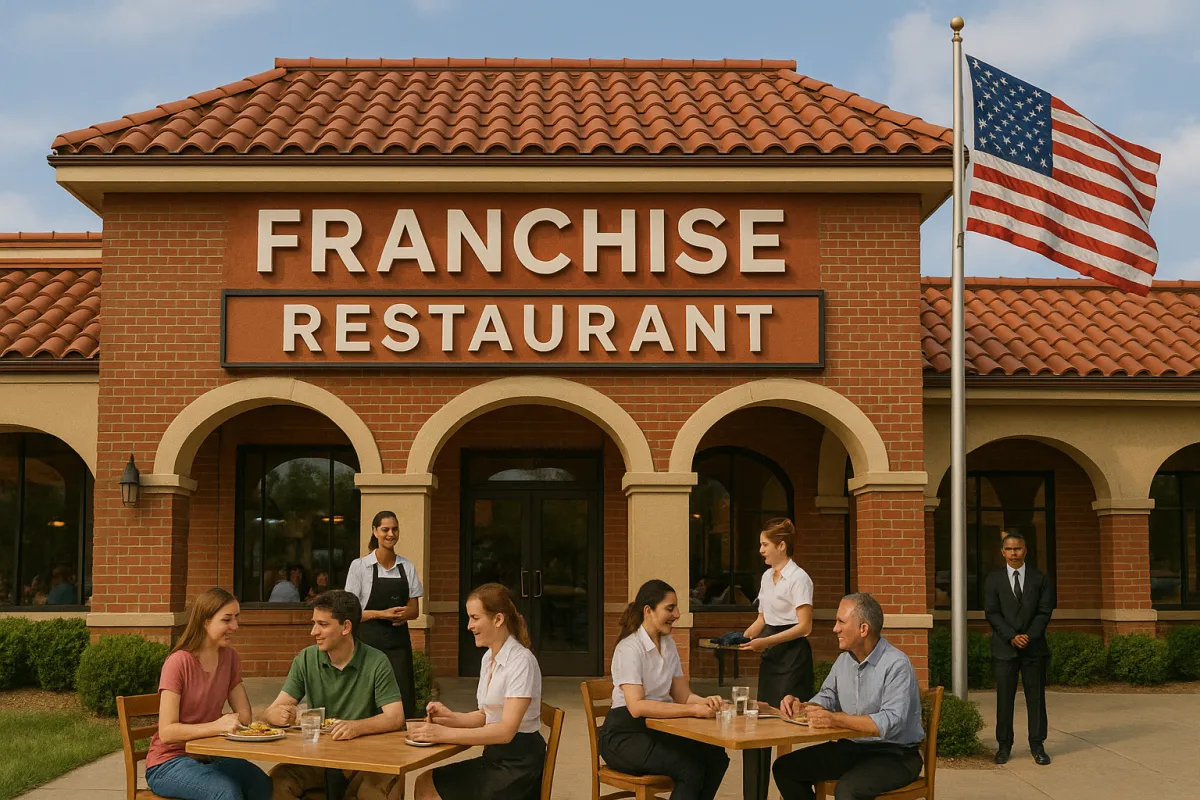
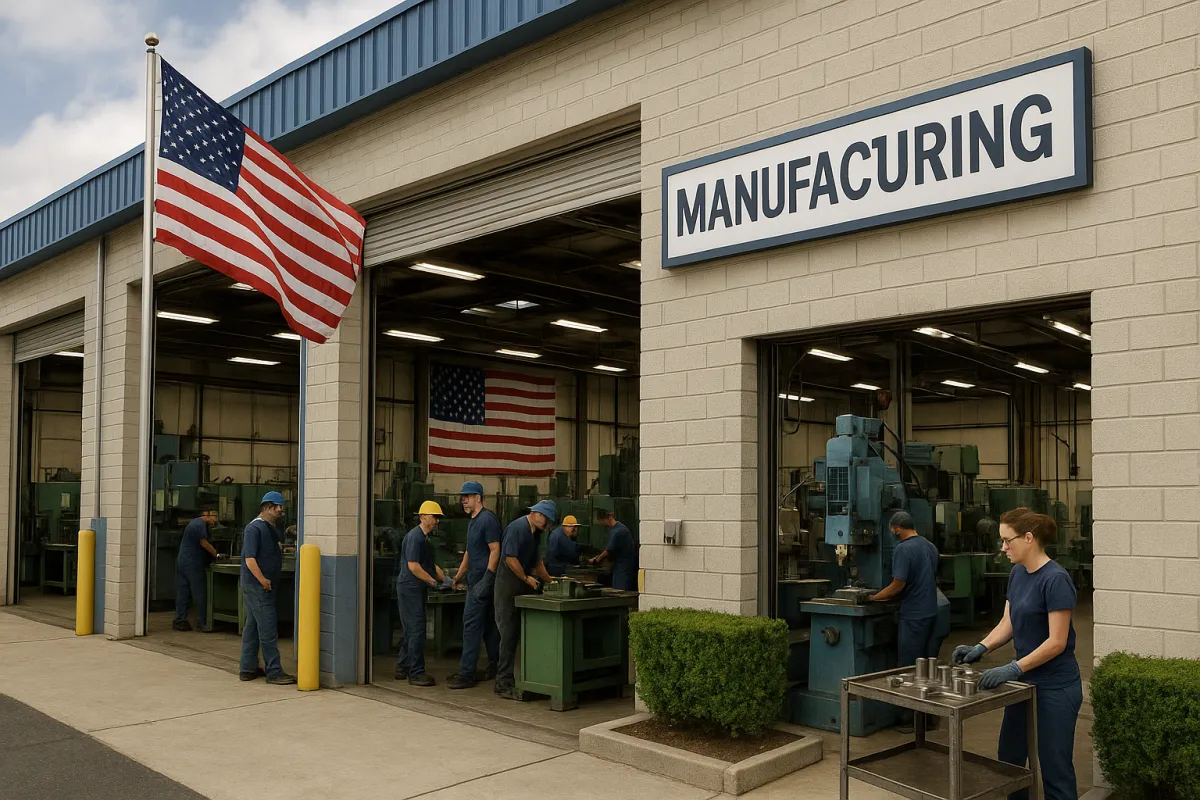
And More Specialties to Come
Go to the How May I Help You Button below to your right, and start talking and asking questions..


Request An Assistant to Be Created for You Here
When you contact us, we can set up a free attendant for you, You can get familiar with your new attendant and pay us after you see how it works.
Frequently Asked Question
How long for you to set it up?
From our end usually about a week, which includes your talking to us, giving us your preference, a possible meeting with the devteam, our time to se up, and getting your feedback. If we have unusual amount of requests, there could be a few more days delay, or if we don't get information back from you in a timely manner.

What do you need from me?
A way to reach you for questions without going through your front desk, Information such as your calendar to connect to, phones to transfer to etc.

What does it cost?
Of course, it depends on your call volume and how long each call takes. The longer the call, the better it is, as the caller is investing their time with you and are more likely to become your client/customer/patient.
We'll work with your budget. If your budget is small, you can start small.
Get an idea of how many calls you get in a day. How any are missed calls, you couldn't call back. How many typically become a client after an inquiry call. This will help determine the tier that will best fit your needs.
For example if you get less than 10 calls a day, you can go for the Starter plan, which has the least concurrent calls. If you receive about 20 calls a day, go for the VIP . If your call volume is higher, go for the Premium. When you see the increasing revenue and decreaing cost, you'll know why it is a no brainer for so many.

OUR TEAM
Meet Our Awesome Team

John Doe

John Doe

John Doe

John Doe
Blog & Articles

Schema Markup vs. the Alternatives: What Actually Gets Your Business Cited by AI Assistants

Direct Answer
Schema markup is structured data code that tells AI systems exactly what your content means, not just what it says. Compared to plain-text optimization, FAQ restructuring, or entity-based content strategies, schema delivers the most direct signal to AI retrieval systems. But correct implementation matters more than presence alone, and no single approach works without the others.
Key Takeaways
Schema markup is a machine-readable layer that tells AI engines what your content means, not just what it contains
Plain-text optimization and FAQ restructuring can improve AI citation without touching code, but they work more slowly and with less precision
Entity-based content strategies address why AI systems trust your brand; schema addresses how they read your pages
The biggest mistake isn't choosing the wrong approach. It's treating these as competing options when they're actually sequential steps
Businesses spending heavily on paid traffic often have strong landing pages that AI systems can't parse because the structured data layer is missing or broken
Why Is Schema Markup at the Center of Every AI Visibility Conversation Right Now?
Because AI answer engines don't read pages the way humans do.
When ChatGPT, Claude, or Google's AI Overviews pull an answer, they're not scanning your homepage and making a judgment call. They're working from indexed, structured signals about what your content claims to know, who it's from, and whether the format matches the question being asked.
Schema markup is the vocabulary that bridges your content and their retrieval logic.
Built on the Schema.org vocabulary, schema explicitly labels your content's meaning so AI systems can extract and cite it without guessing. Without it, an AI engine has to infer. And when there are hundreds of competing pages in your category, inference almost always goes to whoever made the answer easiest to extract.
Consider how this plays out in practice. A business running significant paid ad spend has a website that converts that traffic well. The content is solid. The brand is credible. But when a prospective customer asks an AI assistant which provider to consider, the business doesn't show up in the response. Not because the content is poor quality, but because nothing in the page's structure tells the AI what this business does, where it operates, or why it's trustworthy. The structured data layer is absent. That's not a content problem. It's a machine-readability problem.
What Are the Real Alternatives, and When Do They Work?
There are four main approaches businesses use to improve AI citation visibility. Here's a straight look at what each one does and doesn't do.
Plain-Text Optimization
Write content that answers specific questions directly, using the phrasing patterns AI systems recognize as authoritative responses. Question at the top, direct answer in the first sentence, supporting detail in the sentences that follow. No buried answer. No long preamble.
It works because AI retrieval systems are trained on human language patterns and have learned to associate certain structural formats with trustworthy answers.
The limitation is precision. Plain-text optimization tells the AI your content might be relevant. Schema tells the AI your content is relevant to a specific query type. For businesses in competitive categories, "might be relevant" isn't enough.
FAQ Restructuring
FAQ restructuring maps your content directly to the conversational query patterns AI assistants are built around. When someone asks a voice assistant or AI chatbot a question, those systems look for content already structured as a question-and-answer pair.
The gap is that it doesn't establish entity trust or brand authority. It tells AI systems how to read your answer. It doesn't tell them why they should trust your business enough to cite it.
Entity-Based Content Strategy
This addresses the trust layer. AI systems build a confidence score around each source. An entity-based content strategy builds the external signals, including consistent directory presence, published brand mentions, and authoritative backlinks, that tell AI systems your business is real and credible.
The honest tradeoff here is time. This approach works, and it's necessary, but it operates on a longer timeline than schema implementation. You can't shortcut it. That's not a criticism; it's a sequencing reality every serious AEO effort has to account for.
Where Schema Fits in All of This
Schema amplifies all three of the approaches above. It doesn't replace any of them. Running all four in sequence, with schema as the technical foundation everything else builds on, is what separates businesses that appear consistently in AI-generated answers from those that show up inconsistently or not at all. The mechanism is straightforward: schema tells AI engines what to extract, FAQ structure tells them the format is correct, entity signals tell them the source is trustworthy, and plain-text formatting tells them the answer is ready to surface.
The Contrarian Truth About Schema: Implementation Is Where Most Businesses Lose
Here's what most schema guides won't say plainly.
Having schema markup on your site and having schema markup that actually works for AI citation are two completely different things.
Schema errors happen routinely, and for a specific reason: most implementations use plugin defaults that weren't written with your specific services, locations, or credentials in mind. Generic schema is better than nothing, but it's not what wins competitive AI citation.
The mechanism that matters is this. AI retrieval engines build a confidence score around each source. When your schema labels you as a medical practice but your content reads like a retail store, that contradiction directly lowers your confidence score. The AI doesn't cite confused sources. It cites clear ones.
A broken or contradictory schema tag isn't neutral. It signals to AI systems that your structured data layer is unreliable, which causes the AI to stop treating your pages as authoritative sources. In many situations, that's worse than having no schema at all.
Google's Rich Results documentation notes that invalid structured data won't qualify for rich results features. Confirm Google's current language directly in their developer documentation, as this guidance updates regularly. The underlying principle holds regardless: schema that contradicts your page content works against you, not for you.
What Happens After You Fix Schema? The Sequence That Actually Matters
Schema is the foundation. The next question is what you fix first and what comes after.
Start with entity establishment. Before schema can do its job, AI systems need to recognize your business as a real, trustworthy entity. That means consistent NAP data (name, address, phone) across directories, a complete Google Business Profile, and brand mentions on authoritative external sources. Schema amplifies entity signals. It doesn't create them from nothing.
After entity foundation, schema implementation follows a specific sequence. Organization schema comes first, then LocalBusiness or a category-specific type, then Service schema for each core offering, then FAQ schema on your highest-traffic answer pages.
Businesses that skip entity establishment and go straight to schema implementation typically find their schema claims aren't being trusted. The AI has no corroborating signals to validate what the schema is asserting.
This is the sequencing error that explains why so many businesses implement schema and still don't see AI citation results. It's not that schema doesn't work. It's that schema was applied before the foundation was ready to support it.
Acting Now vs. Waiting: What the Two Paths Actually Look Like
The expensive option isn't a comprehensive audit. The expensive option is spending another quarter watching paid traffic costs climb while AI search routes prospective customers to competitors who got their structured data right first.
A Four-Stage Framework for Getting This Right
This is the decision sequence for any business evaluating which approach to prioritize.
Stage 1: Entity Foundation. Do AI systems recognize your business as a real, trustworthy entity? Check consistent directory listings, Google Business Profile completeness, and external brand mentions. Nothing built on top of this stage works without it.
Stage 2: Schema Implementation. Is your content labeled correctly for AI extraction? Check Organization schema, LocalBusiness schema, Service schema, and FAQ schema. Validate with Google's Rich Results Test and the Schema Markup Validator at schema.org.
Stage 3: Answer-Ready Content. Does your content answer specific questions in the format AI systems prefer? Check for a direct answer in the first sentence, question-structured headings, and concise response blocks.
Stage 4: Entity Authority Expansion. Are authoritative external sources corroborating your schema claims? Check press coverage, high-authority directory listings, and published business profiles.
Don't treat this as a one-time fix. AI visibility is a maintained position, not a box you check once.
FAQ
What's the difference between schema markup and structured data?
They're the same thing, used interchangeably. Structured data is the broader term for any machine-readable code that labels content meaning. Schema markup specifically refers to structured data built using the Schema.org vocabulary, which is the standard recognized by Google, Bing, and the AI systems that pull from indexed web content.
Does schema markup directly affect Google AI Overviews?
Schema improves the probability of being cited in AI Overviews by making your content easier for Google's systems to extract and verify. It's not a guarantee. Google's AI Overviews also weigh content quality, entity authority, and topical relevance. Schema is the necessary foundation, but it works alongside those other signals, not instead of them.
Can I implement schema markup without a developer?
Yes, for basic implementations. Plugins like Yoast SEO and Rank Math handle Organization and FAQ schema without custom code. The problem is that plugin-generated schema is often generic and doesn't reflect the specific services, locations, or credentials that distinguish your business. For competitive categories, custom schema implementation produces meaningfully better results because the specificity is what signals credibility to AI retrieval systems.
How do I know if my current schema is actually working?
Use Google's Rich Results Test and the Schema Markup Validator at schema.org. Both are free. Look for errors (schema that's broken), warnings (schema that's incomplete), and mismatches between what your schema claims and what your page content actually says. The mismatch problem is the one most businesses miss because the schema technically validates but still contradicts the page it's labeling.
Is FAQ schema still worth implementing?
Yes. FAQ schema directly maps to the conversational query patterns AI assistants use. When someone asks a voice assistant or chatbot a question, those systems look for content already structured as a question-and-answer pair. FAQ schema tells the AI your content is in exactly that format, which raises your citation probability for the conversational queries growing fastest in every category.
How is AEO different from traditional SEO?
Traditional SEO optimizes content for human searchers clicking on links. AEO, Answer Engine Optimization, optimizes content for AI systems that extract answers and present them directly without a click. The technical requirements overlap in some areas but diverge significantly in others, specifically schema specificity, answer-ready formatting, and entity establishment. A site can rank well in traditional search and still be invisible in AI-generated answers. These are different problems, and solving the first one doesn't solve the second.
What does an AEOExpertly.com audit actually identify?
The audit identifies specific gaps across schema implementation, entity establishment, content structure, and AI citation readiness. It maps exactly where your current digital presence is breaking down in the AI retrieval process and prioritizes fixes by impact. It's a gap analysis specific to your business, your category, and your competitive set, not a generic checklist.
You've spent real money building visibility. The question isn't whether AI search is changing how customers find businesses. It's whether your business is structured to be found when they ask. Know exactly what's missing before your competitors figure it out first.
Request your complimentary AEO audit at portal.aeoexpertly.com.
About the Author
She Raj is the founder and lead strategist at Search Dominance Media and the principal voice behind AEOExpertly.com. She works with growth-stage businesses and enterprises across the US, Australia, and Canada to build AI citation presence before their competitors establish it. Her client work spans professional services, franchise networks, and high-revenue consumer brands.

Why they’re talking about
our company
LIVE ANSWER SERVICE OR AFFORDABLE ANSWERING SERVICE?
YOU DECIDE AFTER WATCHING HOW YOUR NEW ANSWERING SERVICE CAN HELP YOU SCALE TO THE MOON.
Affordable Answering Service, Receptionists,
Sales Agents All in One,
Trained To Speak Your Business.
Check out your new call answering receptionists and answering service:
Working for you all day every day 24/7, 365 days, for a fraction of the cost a
Efficient, knowledgeable, always on point a booking appointments and always closing.
And Don't Forget to Ask to Use Our Free Calculator
And See How Much More You Can Walk Away with This Coming Year
See how Calls to Booked Assistants can help A Roofing Contractor or any Home Service Professional
See how Calls to Booked Assistants can help A Medical Office, Law Office, Accounting Firm, Medical Spa, any Medical or Any Professional Service
Gain More New Jobs
Satisfy Exitsng Customers
Get Repeat Business and Referrals
Save Time for Fun an Family Moments
Help Book More of the High Ticket Jobs
Gain More New Patients
Satisfy Exitsng Patients
Help Book More High Ticket Procedures
Save Time for Golf and Beach Trips
Engage with our office assistant Ainisha at bottom of the page for questions.
See how CallGurls can help
Any Cosmetic Surgeon or Medical Office:
Gain More New Patients
Satisfy Exitsng Patients
Help Book More High Ticket Procedures
Save Time for Golf and Beach Trips
Engage with our office assistant Ainisha at bottom of the page for questions.
Engage with our office assistant Ainisha at the bottom of the page for some fun and for questions.
For Healthcare
Clinics
24/7 health question support.
Easy appointment scheduling.
Efficient patient
intake.
DEMO AGENT
Health Care Practice

TRAINED ON
Pre-visit questions, post-visit follow-ups, general FAQ etc.
+1 404-777-4340
DEMO AGENT
Hotel Concierge

TRAINED ON
Bookings, room service, check-in/out policies, etc.
+1 650-955-0678
DEMO AGENT
Restaurant Staff

TRAINED ON
Menu questions, handle bookings, cancellations, etc
.
+1 312-779-6776
DEMO AGENT
Front Desk Reception

TRAINED ON
Appointment availability, business hours, general FAQ, etc.
+1 786-952-5486
DEMO AGENT
E-Commerce Store

TRAINED ON
Customers preferences, your business, your services, etc.
+1 206-222-5255
Calls to Booked Answering Service
Voice Interface Solutions For Your Company
And Use Our Free Calculator to See How Much More Revenue You can Get Year After Year
Seamless Scheduling
Good for:
Easy booking setup
Across-industry reservations
Calendar voice sync
Any scheduling business
Integrates with:

Calendly

Zoom

Google Calendar

and more!
Always-On Companion
Good for:
24/7 customer support
Global time zone service
Immediate emergency responses
Off-hours communication handling
Integrates with:

Zendesk

Intercom

Notion
and more!
CRM Orchestration
Good for:
Personalized customer service
Sales and support streamlining
Insight-driven marketing
Deepening client relationships
Integrates with:

Salesforce

Hubspot

Microsoft Dynamics
and more!
Lead Engagement And Qualification
Good for:
Prioritizing high-value leads
Automating lead contract
Enhancing marketing campaigns
Support focused sales efforts
Integrates with:
Salesforce

Pipedrive

Zoho
and more!
Tell us about your Business and what
integrations your workflows need.
And Request to See How Much More Revenue CallsToBooked.com with Answering Service Can Bring You
See how you can increase your leads, conversions, qualify the callers and book appointments, without you having to do anything. Affordable at any budget. Scale as your business grows.
You are advertising. They are seeing your ads and calling you.
You are missing calls because you and your receptionist are both busy.
You can now stop throwing money down the drain and watch your company grow instead.
SCHEDULE A DEMO
Specialties We serve
Callstobooked.com specializes in serving a diverse range of industries, using our expertise to address the unique needs and challenges of each sector. From local businesses to large enterprises, our tailored listing solutions are designed to maximize online visibility, drive high-quality leads, and enhance your business’s online presence across various industries.
We combine cutting-edge tools, proven optimization strategies, and real-world experience to deliver everything your business needs to grow—right here in one place. We’re proud to support all industries, niches, and business sizes with personalized digital strategies designed to fuel long-term growth, visibility, and profitability.


Locations We serve


United states

canada

United kingdom

ireland

australia

new zealand
CHOOSE THE PLAN THAT SUITS YOU BEST
CallstoBooked Answering Services Plans
Compare Prices to Live Answer Service that consistently fails, and
Hiring at a Cost of $52,000 a Year for each 8 hour Shift
Start Slow with the Advanced Plan and add as You Grow. Saved $24,000 to $156,000per year
Starter
$1297/month
$2400 Discount per year
Normal Price $1497/m
300 minutes included
1 Channel
$1295 Set Up Fee One Time
Good for about 10 calls a day.
VIP
$1497/ month
$3600 Discount per year
Normal Price $145/month
500 minutes included
$1495 One Time Set Up Fee
Good for about 20 calls a day.
PREMIUM
$1797/month
$2400 a year in savings
Normal price $1995 a month
800 minutes included
$1495 One time set up fee
Multiple concurrent lines
SEE THE DIFFERENCE
Get In Touch
Assistance Hours
Mon –Thurs 9:00am – 8:00pm
Friday-Golf
Saturday-Sabbath
Sunday – CLOSED
Phone Number:
805 600 3335

Innovation
Fresh, creative solutions.

Integrity
Honesty and transparency.

Excellence
Top-notch services.

FOLLOW US


COMPANY
CUSTOMER CARE
LEGAL
Copyright 2026. AEO Expertly.com. All Rights Reserved.
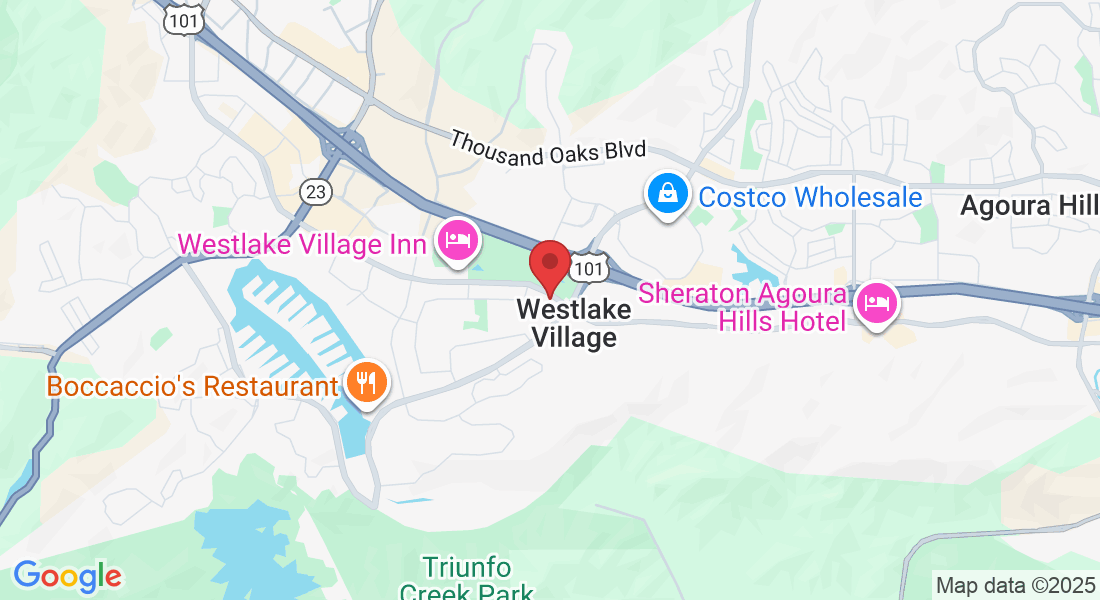
Callstobooked.com by Scores Media Productions at 30721 Russell Ranch Rd Suite 140, Westlake Village, CA 91362
@ 2025 All Rights Reserved | CallsToBooked.comrls.com


